
Cold water swimming, also known as winter swimming or ice swimming, involves immersing oneself in water that is typically between 0°C to 10°C (32°F to 50°F) in temperature…
While it may sound daunting to jump into such cold water, there are actually many benefits to be gained from this practice. You’ve probably heard all about it from your friend who reads the Guardian. But beneath the surface, there are some serious mental and physical benefits to be had.
After all, there must be a reason all those people are hurling themselves into freezing cold water. We’re so convinced by the benefits of cold water that Little Brother Jack has written all about the life-changing effect that cold water swimming can have on a person.
Without further ado, here are ‘50 Benefits Of Cold Water Swimming’:
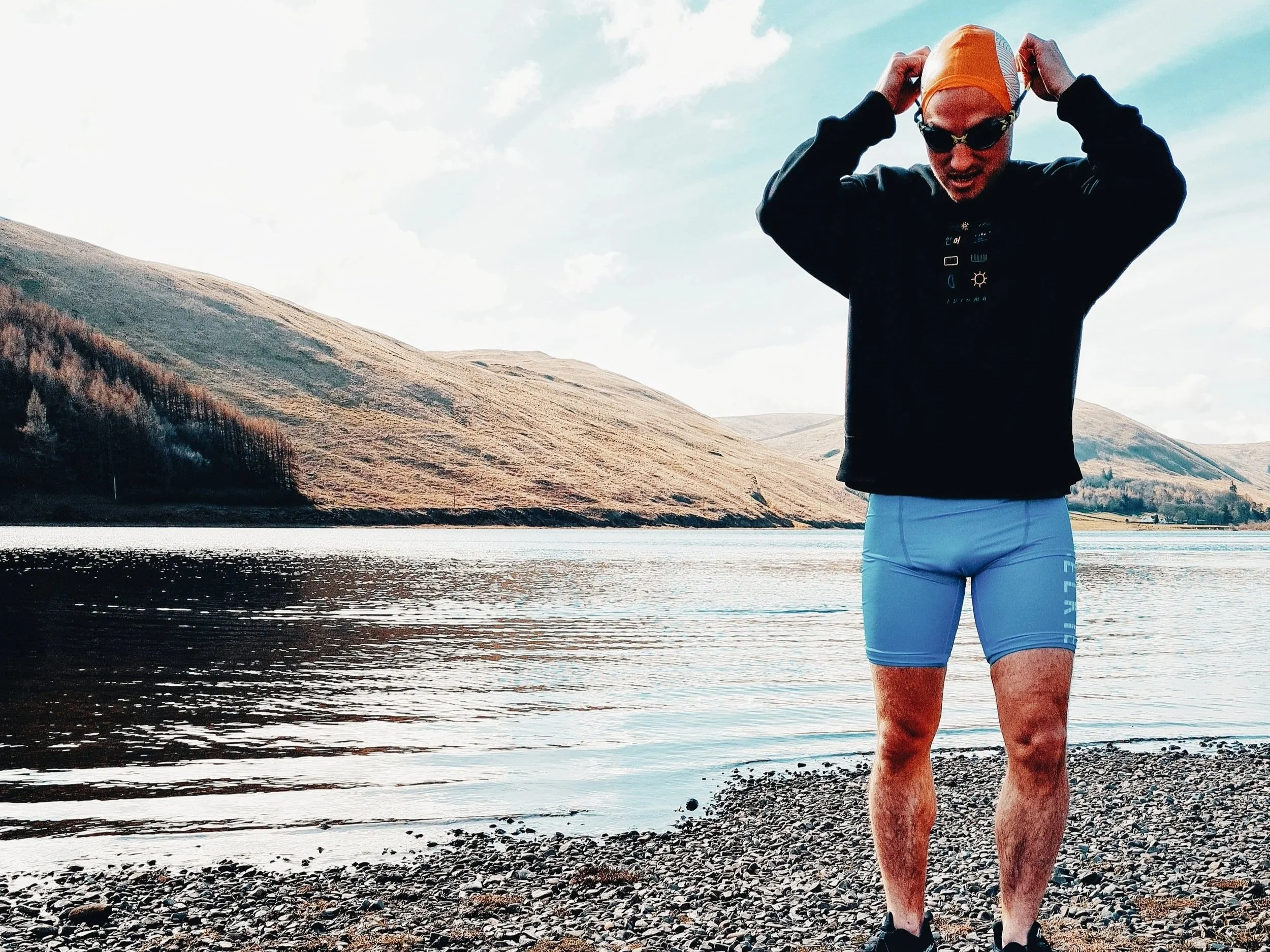
Wake Yourself Up
Boost your immune function: Cold water triggers many physiological responses, including short-term changes in immune-cell activity. One study found people who took regular cold showers had fewer days off work due to sickness. Research is ongoing to determine whether cold swimming offers meaningful long-term immune benefits.
Changes circulation: As the body conserves heat, cold water causes blood vessels near the skin to constrict. This temporarily alters blood pressure and blood flow. The red, lobster-like appearance swimmers notice upon leaving the water is related to changes in skin blood flow. It is particularly noticeable as the body warms up again.
Reduce post-exercise muscle soreness: Research suggests cold immersion reduces muscle soreness after tough exercise. Less soreness does not necessarily mean muscles healed faster.
Temporarily increases energy expenditure: Your body uses energy during cold exposure to maintain core temperature. To do this, certain processes are relied upon, like shivering and heat production by brown fat. The amount of extra energy burned varies depending on exertion and duration in the water.
May help you feel more alert: Cold immersion triggers an acute stress response, increasing your breathing rate, heart rate and the release of noradrenaline - a chemical messenger that improves alertness. Many swimmers will describe their thoughts as sharper during and after a swim.
May support your wellbeing: For seasoned cold water swimmers this is obvious and internally verifiable. To state it with scientific backing is more difficult. Many will tell you how much happier and energised they feel after a dip. The combination of exercise, nature and social connection certainly contribute to that addictive post-swim glow.
“The combination of exercise, nature and social connection certainly contribute to that addictive post-swim glow...”
The cold can provide pain relief: Cold immersion can temporarily reduce pain perception. It may also help to relieve delayed-onset muscle soreness post-exercise. Yet evidence to support the benefits of cold swimming for chronic pain or joint conditions is limited.
Cold water may help to relieve stress: The cold offers a welcome mental reset for swimmers who partake as often as possible. Recent studies showed a reduction of measured stress for at least 12 hours after cold immersion.
Triggers the release of noradrenaline: The cold stimulates our sympathetic nervous system. It can also increase noradrenaline - a neurotransmitter and hormone used for alertness and the body’s stress responses. This could explain the wide-awake feeling swimmers experience after the plunge.
Wake yourself up with the cold shock response: After leaping into cold water you feel instantly awake thanks to the body's response to cold exposure. The initial shock causes faster breathing and increased cardiovascular activity, which can feel invigorating. Please be aware the cold shock response can be dangerous, especially in deeper waters.
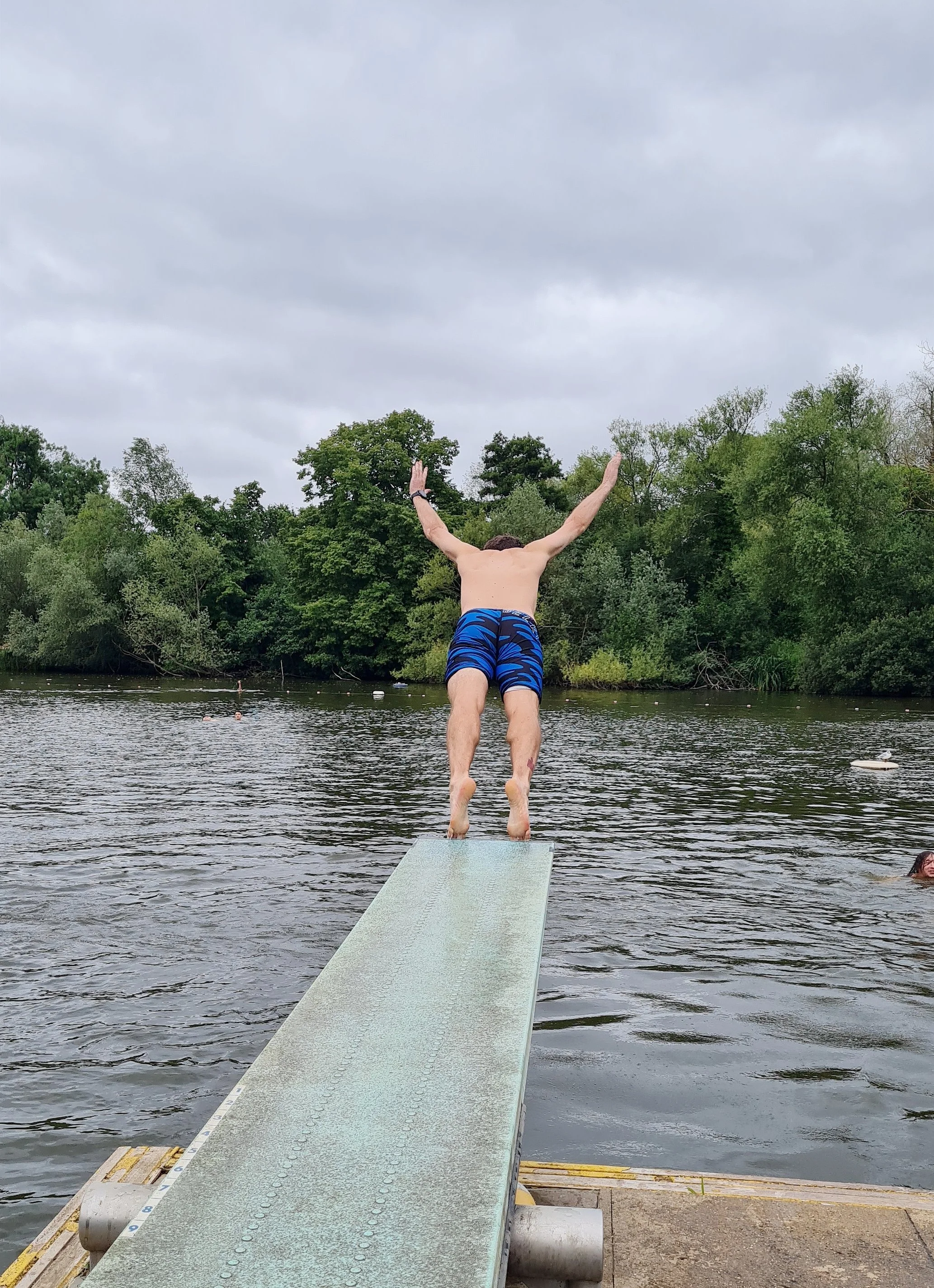
Improve Your Energy Levels
Boost your energy levels: Who doesn’t feel invigorated after a cold swim? Additional energy is used by your body to maintain its core temperature in shiver-inducing conditions. This makes the exercise more testing and intense - combined with a spike of alertness caused by raised levels of noradrenaline.
May support better sleep: Some studies suggest cold immersion improves our sleep quality. In general, physical activity, time outdoors and the endorphin-boosted relaxation are surely a combined force for ensuring a better night’s kip.
Alter inflammatory responses after exercise: So, we addressed how the cold can reduce muscle soreness. This exposure may also temporarily alter inflammatory responses. There is even some evidence to suggest cold water swimming treats arthritis or other chronic joint conditions.
Build swimming endurance: Regular swims will improve your aerobic fitness and endurance. Over time, your body adapts to this acutely punishing form of exercise. The added challenge of maintaining body temperature has to be factored in as well.
Supports cardiovascular fitness: Every cold swim is an aerobic activity that can improve your cardiovascular fitness. Please be aware that the plunge will also cause blood vessels to constrict, which can temporarily increase blood pressure too.
May help manage blood pressure over time: At first, the cold triggers an immediate cardiovascular response. This causes peripheral blood vessels to constrict, leading to a short-term rise in blood pressure. Over time, you can also manage blood pressure with regular exercise, like cold swimming.
Changes to your respiratory function: Cold immersion causes an involuntary gasp, as well as rapid breathing and hyperventilation. As you swim, your breathing rate and depth will increase as you supply oxygen to your body, removing carbon dioxide as your muscles are more strained.
Improvements to cardiovascular endurance: Swimming more often will enable your body to improve its efficiency with oxygen usage. This does not necessarily mean your lungs have buffed up and grown larger. It is also another proven benefit of swimming and exercise in general.
Improved oxygen delivery to the brain? As you swim, your brain needs a continuous supply of oxygen to function and keep the lights on. To do this, normal breathing and circulation are needed to maintain the supply. Cardiovascular health, which can be improved by cold swimming, is vital to ensuring ‘old spongy’ is well oxygenated.
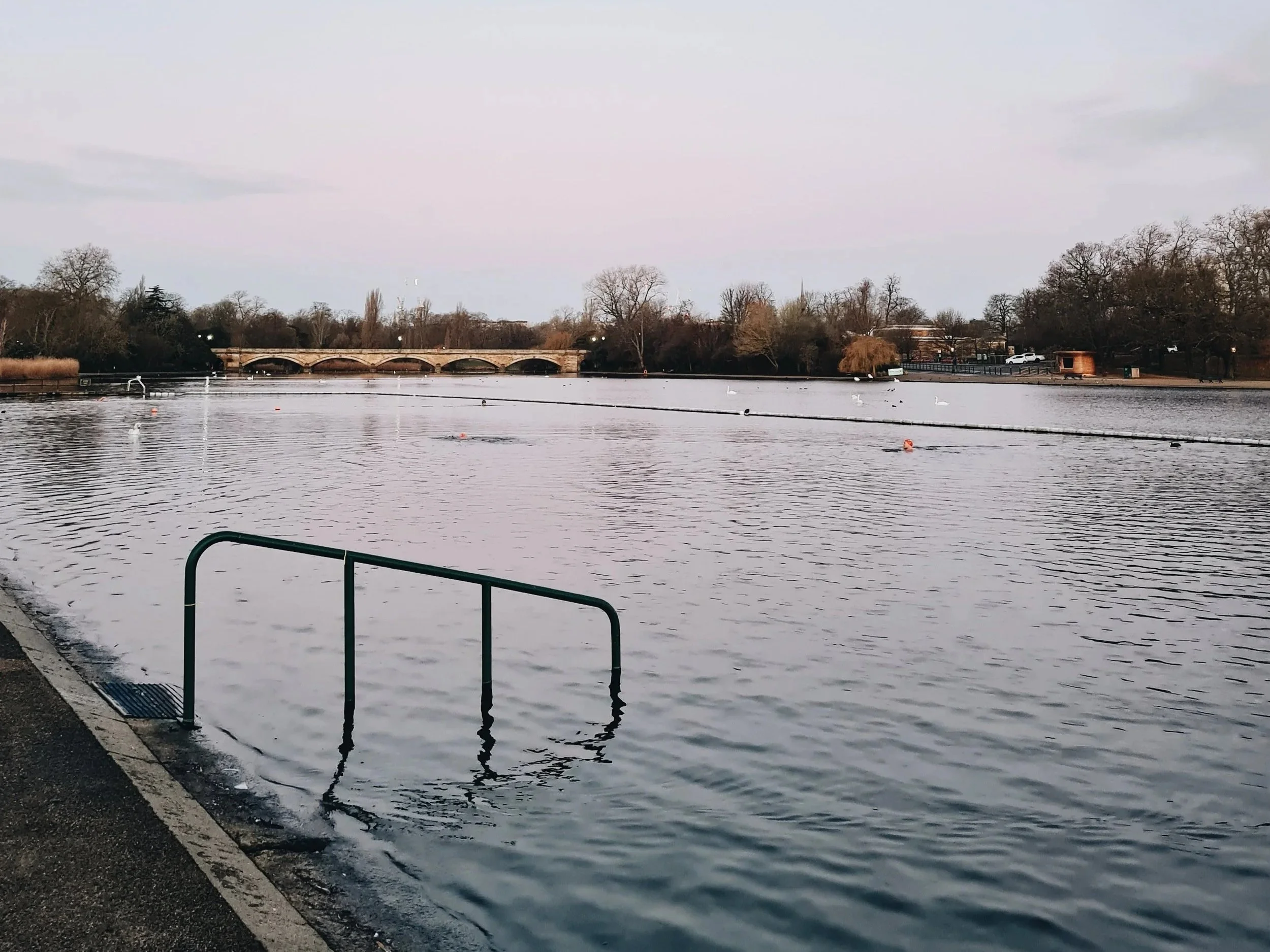
Feel-Good Chemicals
May influence mood-related chemicals: Cold immersion can release endorphins used in pain regulation and feelings of wellbeing, associated with that post-swim mood boost. Many swimmers report feeling uplifted and walking on air after a good, chilly swim.
Activate the body's stress response: Cold water causes the release of stress-related chemicals, like noradrenaline and cortisol. Repeated exposure enables swimmers to grow more accustomed to the early cold shock response. Of course, your response depends on temperature, duration of exposure and individual health as well.
Support your winter wellbeing: Though not a proven treatment for SAD (Seasonal Affective Disorder), getting outdoors in winter increases opportunities for daylight exposure, physical activity and social connection. All of this supports your wellbeing in more challenging months. Other established treatments include light and psychological therapies.
Improves memory and helps combat dementia? Ongoing research is being conducted into inflammation and brain health. It is true that regular physical activity helps improve better long-term cognitive health.
The cold provides a mental reset with potential creativity benefits: The cold plunge interrupts your usual thought patterns and offers a fresh perspective to elevate your daily routine. While robust evidence is lacking, cold water swimming reduces your distractions, encourages time outdoors, improves alertness and provides exercise to get those creative juices flowing.
Build self-confidence through personal achievement: Personally, this has been a big one for me. Getting into cold water can feel daunting, particularly when the weather is miserable. Then every instinct in your body starts crying out for you to stay warm. Showing up each day, working towards a realistic swimming goal - this will build confidence in your ability to take on new challenges.
Build a consistent routine: Commit to a regular swim and teach yourself about the long-term benefits of planning and consistency. Over time, you will establish a routine that helps develop more rewarding habits.
May support self-esteem through a sense of achievement: A new skill is a great step to gaining more confidence. When you reach a personal goal you can also start to create a more positive sense of self. Cold water swimming can make you feel more capable, which boosts your self-esteem.
A recurring sense of accomplishment: “I swam today” is something I hear again and again from cold water swimmers. Completing a swim (even a short one) is a clear and satisfying achievement, particularly needed on a difficult day.
Build social connection and get involved in your community: Cold water swimming brings people together - just look at the grinning faces in your local swimming groups. Personally, we think friends who shiver together, stick together. Shared routines and the ritual of meeting at the water's edge can be intensely powerful over time.
“...we think friends who shiver together, stick together.”
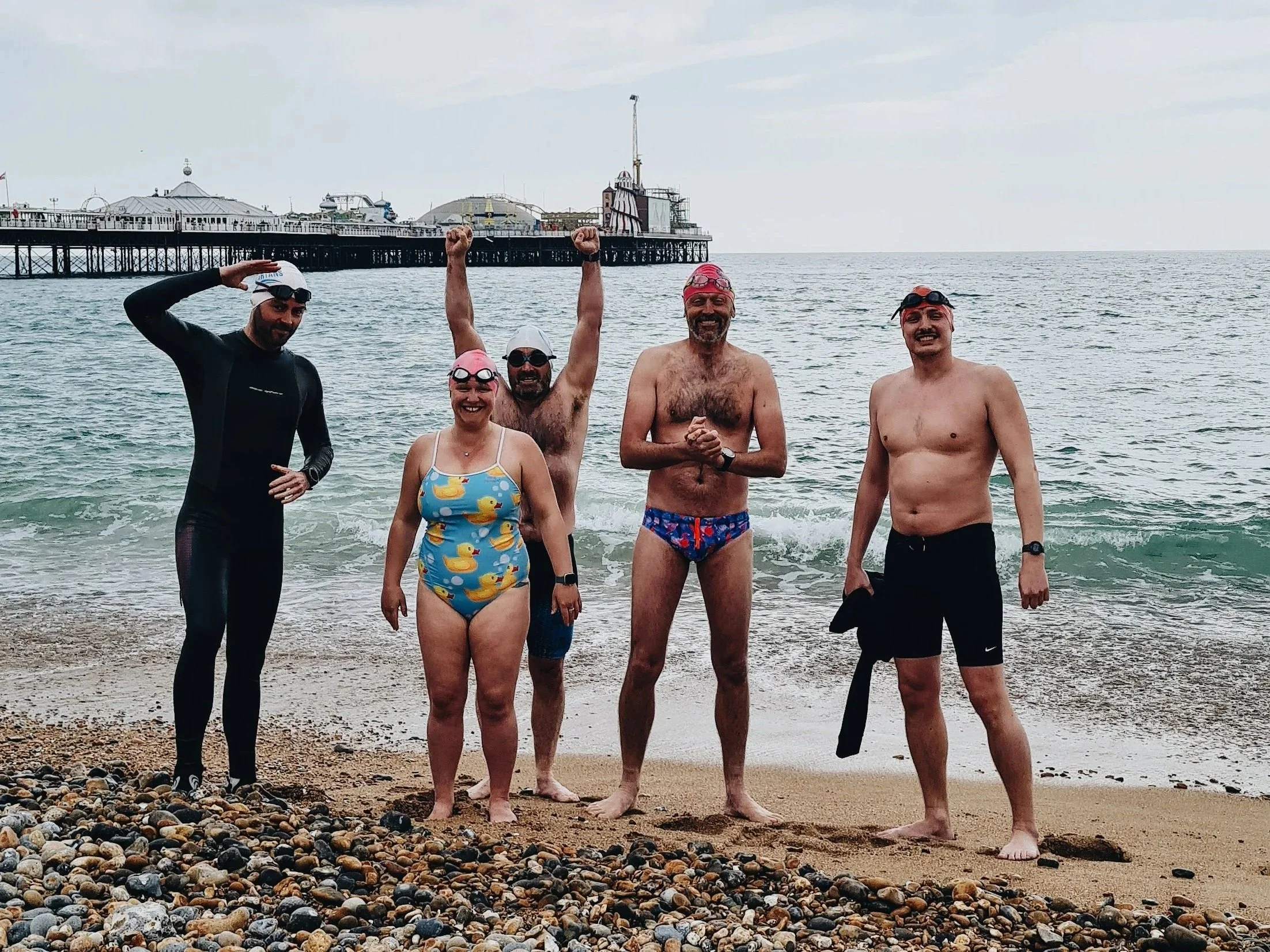
Ready For Some Personal Growth?
Encourages personal growth and development: Cold exposure is an opportunity to challenge yourself and try something unfamiliar. This can lead to greater confidence through experience. For some, gradually doing something that initially feels daunting can change their perception of what they are capable of.
May help develop resilience: We all know life is full of setbacks and painful experiences. Psychological resilience helps us navigate these darker waters. Cold water swimming can be a manageable challenge to hone your ability to cope with discomfort.
Learn more about adapting to stress: The chilly plunge causes a physiological stress response. Repeated exposure will reduce some aspects of this initial shock response. Some studies suggest this adaptation will carry over to other stressful situations, which is known as ‘cross-adaptation’.
Positive social connection through social media: The socials aren’t all bad. Sharing photographs and stories from cold swims can be a way to celebrate personal achievements, inspire others to explore the outdoors and connect with like-minded people.
Another weight-loss method: Cold exposure activates brown adipose tissue (BAT), which uses energy to generate heat. Of course, the amount of additional energy burned varies depending on different factors related to your individual exercise routines.
Build muscular endurance and support strength: It’s good for the body too! Swimming is a full-body activity that engages the shoulders, back, arms, core and legs. Regular swimming will improve muscular endurance and contribute to overall fitness.
Improve coordination and support balance: Swimming requires coordinated movements of arms, legs, breathing and body position. Regular practice can help develop swimming-specific coordination and movement efficiency.
Change how you experience winter exercise: Who needs an offseason anyway? Cold water swimming gives you a reason to get outside during the gloomier months and experience familiar places in a different way. Rather than seeing winter solely as a barrier to outdoor activity, you might begin to look forward to crisp mornings, quiet beaches and snow-covered exteriors.
Broaden your travel horizons: Seeking out new cold water spots is part of the fun! This will take you to new landscapes, from forest lakes and Nordic fjords to remote beaches and mountain tarns.
Offers a low-impact form of exercise: Water supports much of your body weight, reducing the impact on joints compared with weight-bearing activities such as running. Swimming can therefore be a useful exercise option for many people with niggling injuries.

Finally, What Did We Miss?
Temporarily affects skin appearance: Cold water causes blood vessels near the skin to constrict, temporarily reducing puffiness and making pores appear less noticeable. More evidence is needed to determine whether cold exposure can improve skin health or treat inflammatory skin conditions.
Established benefits for hair or nail health? This also depends on factors like genetics, nutrition, and hormones. Cold exposure changes blood flow near the skin, but more research is needed to ascertain whether it improves hair growth, strengthens nails or protects these tissues from damage.
Improve overall physical health through exercise: Runners, cyclists, rowers… we all wax lyrical about our individual sports and how good they make us feel. The truth is, regular aerobic activities will improve cardiovascular fitness, muscular endurance and general physical function. Outdoor sports have the added benefit of encouraging folk to spend more time enjoying nature too.
Proven treatment for mental health conditions? It can’t be overstated how many cold water swimmers report feeling happier, calmer or more energised after a plunge. Research into cold immersion has found promising results for stress and quality of life - the evidence still remains limited and a little inconsistent. Of course, exercise, nature and social connection all contribute to the experience as well.
Brings people of different ages together: Cold waters welcome us all to come as we are. That’s why outdoor swimming communities include people from a wide range of ages, backgrounds and abilities. Meeting regularly at a local swimming spot can create opportunities for social connection, shared experiences and friendships across generations.
Increase your longevity: It’s not just cold swimming, regular physical activity has long been associated with long-term health benefits, including the possibility to extend your lifespan and reduce the risk of heart disease or stroke. Please be aware cold exposure also places acute demands on the cardiovascular system.
Temporarily alter pain perception: No one likes how it feels - at first. Over time, cold exposure can temporarily reduce the sensation of pain, and cold immersion has been studied as a recovery method for exercise-related muscle soreness.
Further benefits of cold therapies: Some cold therapies, like whole-body cryotherapy, have been shown to reduce pain and quality of life among people with fibromyalgia. The cold may temporarily relieve pain for some people - it can also worsen discomfort or stiffness in others.
Does it increase your libido? Many factors influence sexual desire, like physical health, hormones, sleep, stress and (the most obvious) individual relationships. Cold exposure can lead to short-term reduction of stress-related hormones and improvements of cardiovascular activity. So, there is a suggestion there it could increase your libido and improve sexual function.
May provide a greater sense of control: Some find cold water swimming offers a structured challenge and most describe a visceral sense of achievement. Repeated exposure can change the body's response to the initial cold shock stimulus. In time, you can gain a greater sense of control over your body as you notice increased tolerance and the gradual reinforcement of cold endurance at lower degrees.
How does cold water swimming make you feel? Let us know in the comments section below…
